
PediSpray® Strong
20% for persistent sweating

Smelly sweat can sometimes appear at the most inconvenient moments and affect our self-confidence. But don't worry, in this blog post we will delve deeper into sweat and share seven valuable tips to prevent that unpleasant odour. Let's get started right away!
Before we dive into preventing smelly sweat, let's take a look at what sweat actually is. Sweat is a clear, colourless fluid produced by our sweat glands. It mainly consists of water, but also contains small amounts of salts, urea, and other chemicals. Our body uses sweat as an ingenious cooling system. When we experience heat, exert ourselves, or are under stress, our body starts to sweat to dissipate excess heat.

Sweating is a crucial function of our body. It helps us cool down and prevents overheating. When we sweat, the sweat evaporates on our skin surface, drawing heat away from our body. This process plays an essential role in maintaining a stable body temperature.
Now we come to the part that many of us worry about: the smell of sweat. The unpleasant odour arises when sweat comes into contact with bacteria on our skin. These bacteria break down the sweat and produce chemical compounds that cause the characteristic smell of smelly sweat. The intensity of this smell can vary, depending on various factors such as diet, hormones, and genetics.
Not all parts of our body sweat equally. Some areas have more sweat glands than others and are therefore more prone to sweating. The most common places where we sweat are the armpits, palms, soles of the feet, face, and back. These areas have a higher concentration of sweat glands and therefore produce more sweat.
To generally prevent unpleasant sweat odour, here are some tips:
1. Good hygiene: Regularly showering and ensuring a clean skin are crucial.
2. Use the right products: Use antiperspirant or deodorant to regulate sweat production and control odours.
3. Choose the right clothing: Breathable garments, such as those made of cotton, can help prevent the build-up of sweat.
No one wants to suffer from smelly armpits. Here are some tips to prevent armpit odour:

Good hygiene: Regularly showering and thoroughly washing your armpits with soap can help reduce bacteria that cause bad body odour.
20% for persistent sweating 15% for light to moderate sweating
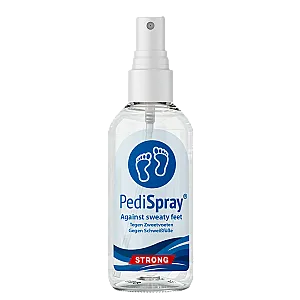
PediSpray® Strong
PediSpray® Regular

Nothing is as annoying as smelly feet, especially during the warmer months. Here are some handy tips to prevent sweaty feet and foot odour:
For foot and shoe odour
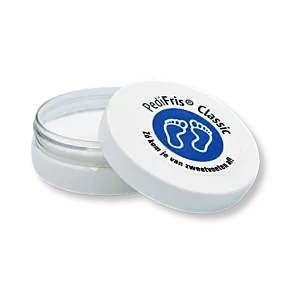
PediFris® Classic
Sometimes it seems like your sweat suddenly smells different. This can have various causes, such as changes in diet, hormonal fluctuations, medication use, or stress.
It can be frustrating when sweat suddenly breaks out for no apparent reason. This is sometimes caused by excessive sweating or hyperhidrosis. It can be genetically determined, but stress, medication, or underlying medical conditions can also play a role. If this problem bothers you, it is advisable to consult a doctor for possible treatment options.
Before we delve into preventing smelly sweat, let's take a look at what sweat actually is. Sweat is a clear, colourless fluid produced by our sweat glands. It mainly consists of water, but also contains small amounts of salts, urea, and other chemicals. Our body uses sweat as an ingenious cooling system. When we experience heat, exert ourselves, or are under stress, our body starts to sweat to dissipate excess heat.
Sweating is a crucial function of our body. It helps us cool down and prevents overheating. When we sweat, the sweat evaporates on our skin surface, removing heat from our body. This process plays an essential role in maintaining a stable body temperature.
Now we come to the part many of us worry about: the smell of sweat. The unpleasant odour arises when sweat comes into contact with bacteria on our skin. These bacteria break down the sweat and produce chemical compounds that cause the characteristic smell of stinky sweat. The intensity of this smell can vary, depending on various factors such as diet, hormones, and genetics.
Not all parts of our body sweat equally. Some areas have more sweat glands than others and are therefore more prone to sweating. The most common places where we sweat are the armpits, palms, soles of the feet, face, and back. These areas have a higher concentration of sweat glands and therefore produce more sweat.
To prevent unpleasant sweat odour in general, here are some tips:
1. Good hygiene: Regularly showering and maintaining clean skin are crucial.
2. Use the right products: Use antiperspirant or deodorant to regulate sweat production and keep odours under control.
20% for persistent sweating
15% for light to moderate sweating
3. Choose the right clothing: Breathable garments, such as those made of cotton, can help prevent the accumulation of sweat.
Nobody wants to suffer from smelly armpits. Here are some tips to prevent underarm odour:
Good hygiene: Regularly showering and thoroughly washing your armpits with soap can help reduce bacteria that cause bad body odour.
Nothing is as bothersome as smelly feet, especially during the warmer months. Here are some handy tips to prevent sweaty feet and foot odour:
Sometimes it seems as if your sweat suddenly smells different. This can have various causes, such as changes in diet, hormonal fluctuations, medication use, or stress.
It can be frustrating when sweat suddenly breaks out without a clear cause. This is sometimes caused by excessive sweating or hyperhidrosis. It can be genetically determined, but stress, medication, or underlying medical conditions can also play a role. If this problem bothers you, it is advisable to consult a doctor for possible treatment options.
Unfortunately not. Sweat odour is a natural byproduct of sweating, and while you can reduce it, you probably cannot completely eliminate it. The most important thing is to keep it under control and feel confident.
This can vary from person to person, as individual reactions to the ingredients in deodorants differ. It is advisable to try different brands and types of deodorant to determine which is most effective for you. If you are looking for a deodorant that contains aluminium salts, consider trying Dry5.
Not always. Some people naturally sweat more than others, and this can be genetically determined. However, if you experience excessive sweating that affects your daily life, it is advisable to consult a doctor to rule out possible underlying causes.
.svg)
 Ton
Poppe
john bergman
G
Arnold
Edith
Wjm Gertsen
Anoniem
Dennis Sluimer
 Martina Müller
|
|
The texts on this page have been carefully compiled. Sources used include: NHS: Excessive sweating (hyperhidrosis) and Body odour - NHS. |